Fashion keeps moving forward. The industry has shifted dramatically over the past few years, driven by consumer demands and environmental concerns. The same pattern appears across various consumer sectors, from retail to services, including engelsegoksites.com, which have adapted their design approaches to meet changing user expectations.
What matters most to today’s consumer? They want clothing that tells a story while serving multiple purposes.
Sustainable Materials Taking Center Stage
Designers are rethinking their material choices. Traditional fabrics are being replaced with innovative alternatives that reduce environmental impact. Mushroom leather, recycled ocean plastics, and organic cotton have become standard options.
These materials don’t compromise on quality. They offer durability and comfort while addressing sustainability concerns. Brands report that consumers actively seek out these eco-friendly options when shopping. The shift extends beyond just materials to entire production processes.
Circular Fashion Models
The industry is embracing circularity. This means designing clothes meant to be reused, repaired, or recycled. Some brands now offer take-back programs where old garments become raw materials for new products.
Does this change how we think about ownership? Many consumers now rent special-occasion wear instead of buying pieces they’ll wear only once.
Technology Integration in Footwear
Smart shoes are no longer science fiction. Modern footwear incorporates sensors that track steps, analyze gait patterns, and even automatically adjust cushioning. These features appeal to health-conscious consumers who want data about their movement.
The technology stays subtle. Designers hide sensors and batteries within the shoe structure so functionality doesn’t compromise style. You can wear smart sneakers to the office without anyone noticing the tech inside. Performance improvements drive adoption more than the novelty factor.
3D Printing Revolution
Footwear manufacturing has been transformed by 3D printing. Brands can now create customized shoes based on individual foot scans. This technology reduces waste since shoes are printed on demand.
The process takes hours instead of weeks. Customers receive perfectly fitted footwear without the traditional trial-and-error of sizing. Some companies let buyers customize colors and patterns through online interfaces before printing begins.
Minimalist Design Philosophy
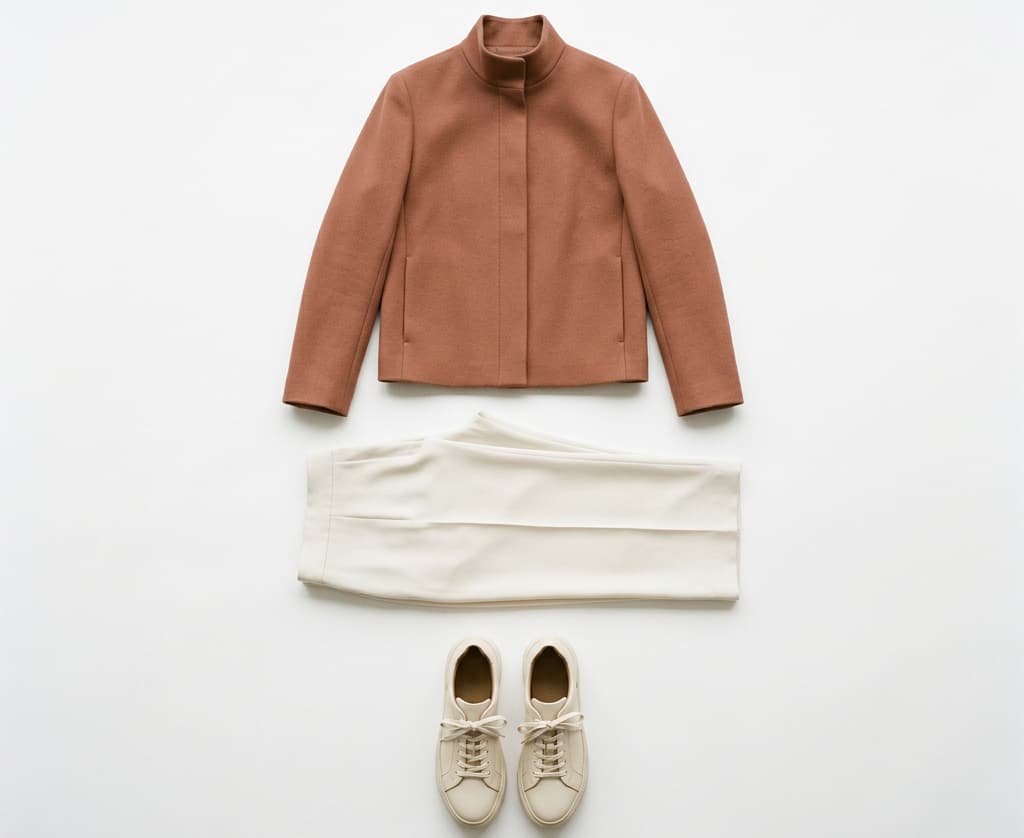
Less has become more in fashion circles. Clean lines, neutral colors, and versatile pieces dominate current collections. This approach reflects a broader shift away from fast fashion toward quality basics.
Key elements of minimalist fashion include:
- Neutral color palettes (black, white, beige, gray).
- High-quality fabrics that last longer.
- Timeless silhouettes that transcend seasons.
- Versatile pieces that work for multiple occasions.
- Focus on perfect fit and construction details.
Minimalist doesn’t mean boring. Designers achieve sophistication through careful attention to cut, proportion, and fabric choice. A simple white shirt can showcase exceptional craftsmanship in its construction.
Why has this trend gained traction? People are building smaller, more intentional wardrobes.
Bold Statement Pieces Making Returns
Paradoxically, maximalism coexists with minimalism. Statement footwear with unusual shapes, bright colors, and exaggerated proportions has found its audience. These pieces let wearers express personality through strategic choices.
Designers experiment with unexpected materials and construction methods. Platform shoes, chunky soles, and architectural heels push boundaries while remaining wearable. The key is balancing bold design with comfort. Fashion allows room for both subtle and striking approaches.
Gender-Neutral Collections
Traditional categories are fading. Many brands now design clothing and shoes without gender specifications. This reflects evolving attitudes about self-expression and identity.
The approach focuses on fit and function rather than outdated conventions. Pieces work for anyone who connects with the style. Sizing systems are being reimagined to better accommodate diverse body types.
Cultural Influences and Global Inspiration
Designers draw inspiration from worldwide sources. Traditional patterns, indigenous textiles, and cultural motifs appear in contemporary collections. This cross-pollination creates rich, diverse fashion landscapes.
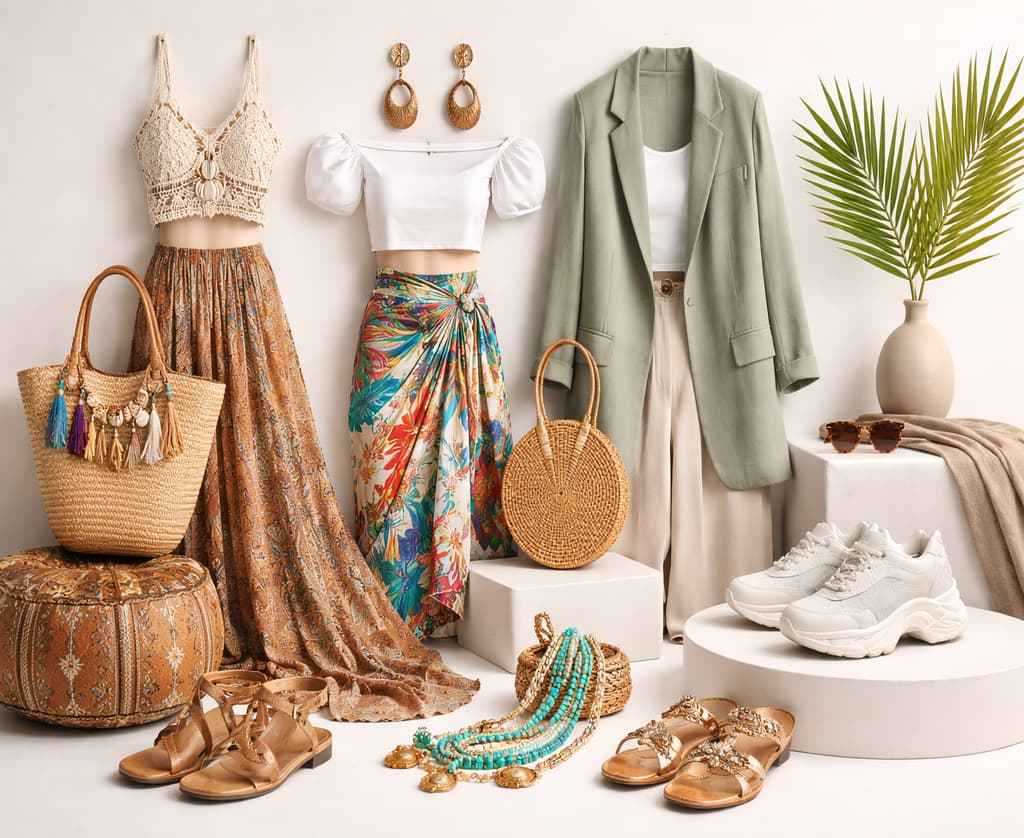
Respectful collaboration matters here. Brands increasingly work directly with artisan communities rather than simply appropriating designs. These partnerships ensure fair compensation and authentic representation.
How does this benefit consumers? They access unique pieces with genuine cultural stories.
Comfort Prioritization
The pandemic permanently changed comfort expectations. People discovered they didn’t need to sacrifice ease for style. Current designs prioritize both equally.
Stretchy fabrics, adjustable features, and ergonomic construction have become standard. Even formal wear now incorporates comfort elements. Business shoes include cushioned insoles and flexible soles that support all-day wear.
Will we ever return to purely aesthetic-focused fashion? Probably not.
Looking Forward
These trends will continue evolving. Designers constantly experiment with new approaches while responding to consumer feedback. The fashion industry has entered a period of rapid innovation driven by technology and social awareness.
What remains certain is change itself. Today’s cutting-edge design becomes tomorrow’s standard practice. Staying informed helps consumers make choices aligned with their values and needs.